-
Why Is the YDQ-20kVA/100kV Power Frequency Test Transformer for 110kV Equipment Essential for Substation Reliability?
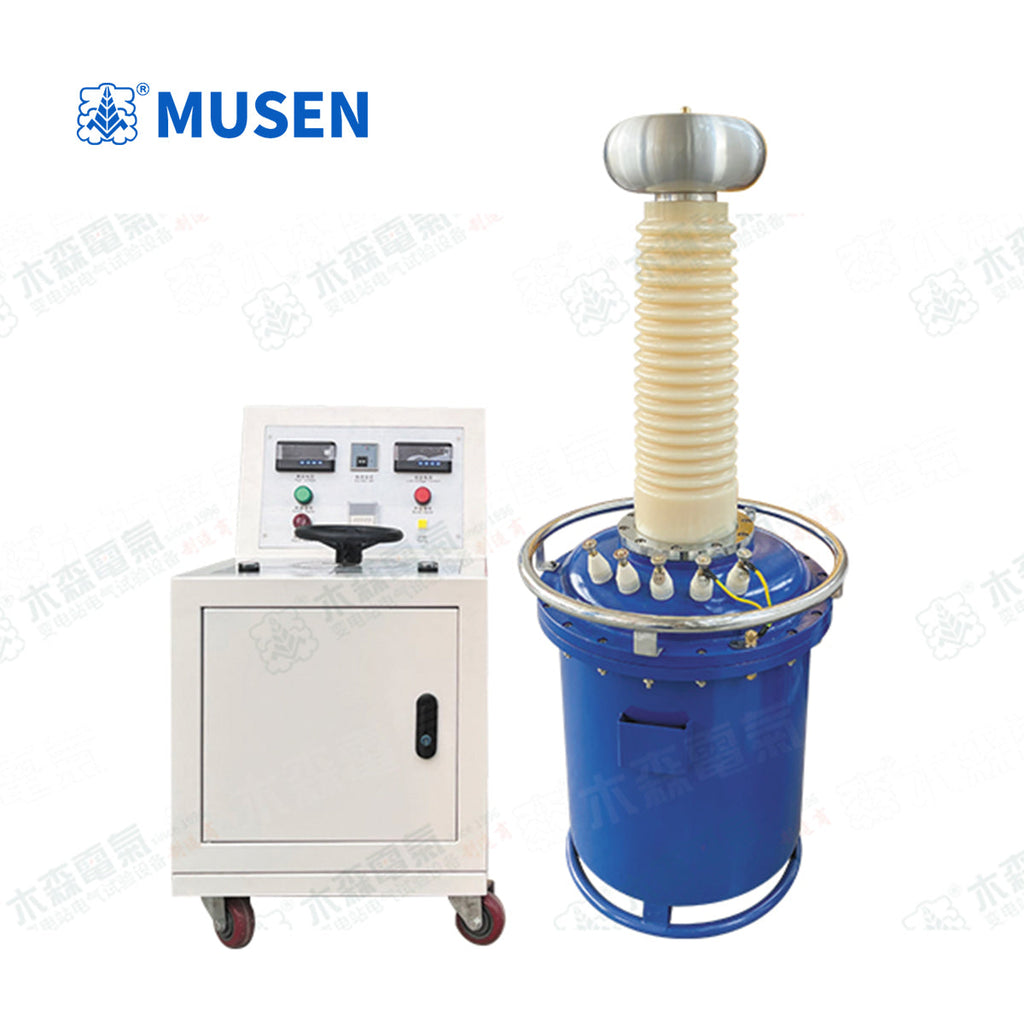 Why Choose the YDQ-20kVA/100kV Power Frequency Test Transformer for 110kV Equipment to Ensure Substation Integrity? 1. What Are the Technical Parameters of the YDQ-20kVA/100kV System? International power utilities demand precise structural data to validate electrical infrastructure safety before field deployment. The YDQ-20kVA/100kV system engineered by Wuhan Musen Electric Co., Ltd. (www.musenelectric.com) serves as a specialized benchmark asset for high-potential dielectric evaluations. Technical Parameter Specification Data Value Rated Capacity 20 kVA Output Voltage 100 kV Target Utility Grid 110kV and below electrical equipment Insulation Medium High-purity SF6 Gas Partial Discharge Level ≤ 5 pC (at rated voltage)...
 -
Why is the Gas Insulated Test Transformer Critical for 110kV Substation Commissioning?
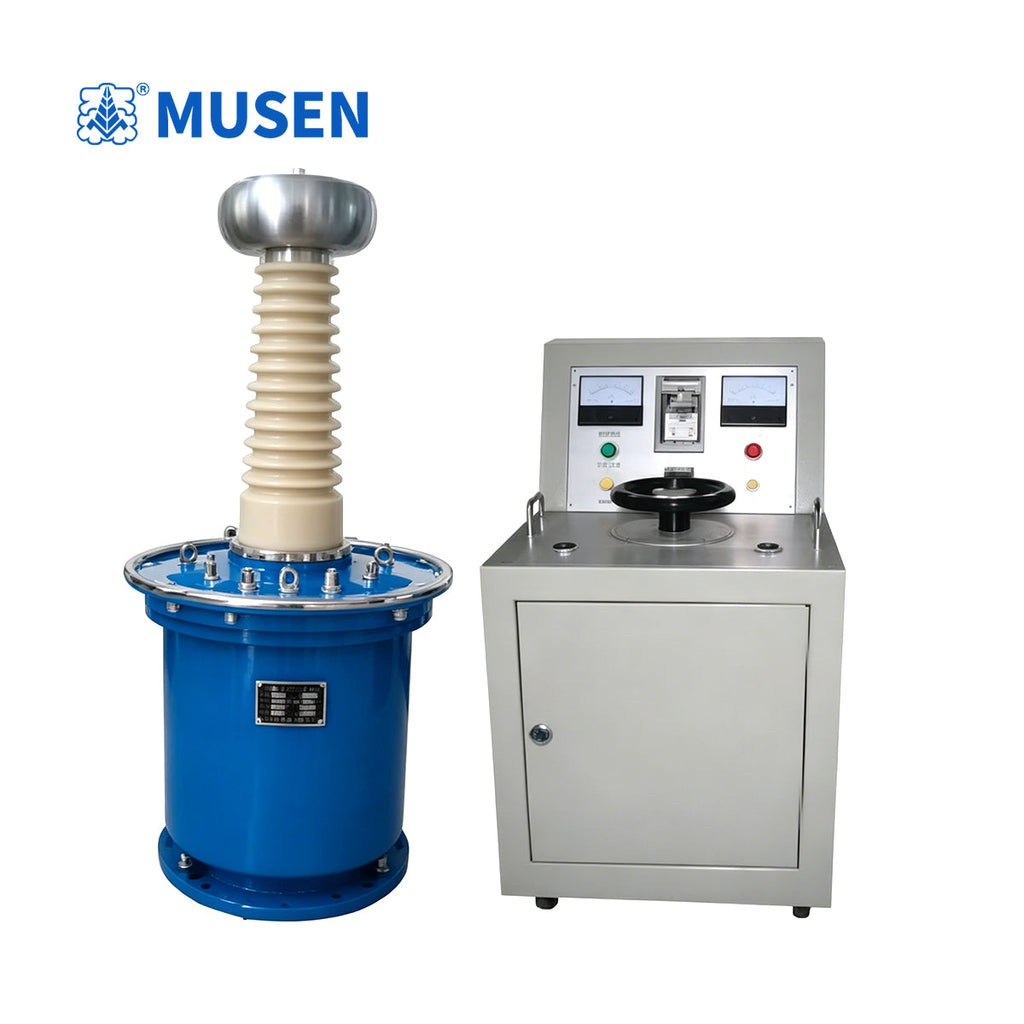 Why is the Gas Insulated Test Transformer Critical for 110kV Substation Commissioning? Evaluating the dielectric integrity of grid assets under field conditions presents significant logistical and technical challenges for electrical utilities. Traditional oil-immersed diagnostic apparatus often hampers rapid field testing due to excessive weight and rigorous transport safety restrictions. To address these operational constraints, international testing authorities increasingly rely on advanced engineering solutions manufactured by Wuhan Musen Electrical Co., Ltd. (www.musenelectric.com). By replacing liquid dielectrics with compressed sulfur hexafluoride, the modern gas insulated test transformer provides an optimized, exceptionally reliable, and highly accurate method for performing...
 -
Which Is the Best VLF Hipot Tester for High-Capacitance Assets?
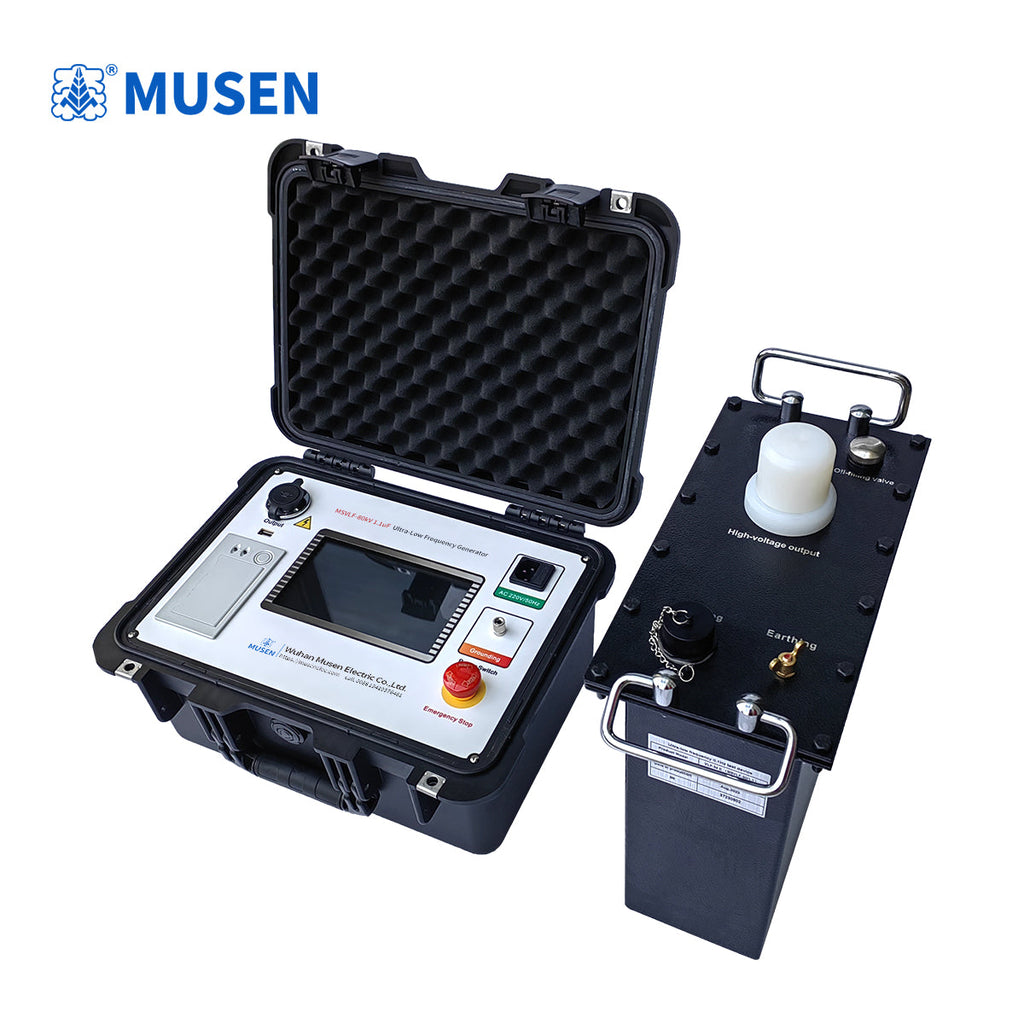 Which Is the Best VLF Hipot Tester for High-Capacitance Assets? 1. Why Is Traditional DC Testing Destructive to Modern Medium Voltage Cables? Field deployment logs compiled by global utility networks demonstrate a critical engineering reality: applying high-voltage Direct Current (DC) potential to older or newly laid Cross-Linked Polyethylene (XLPE) dielectric insulation creates severe localized degradation. High DC testing polarizes the insulation matrix, trapping high-density space charges within water trees or physical impurities. When the circuit returns to standard grid alternating current (AC) operation, these accumulated localized stress vectors trigger immediate dielectric treeing punctures, leading to catastrophic...

